5 min read
Preventing healthcare-associated infections more effectively
Bringing hygiene practices, audits and traceability together in healthcare facilities.
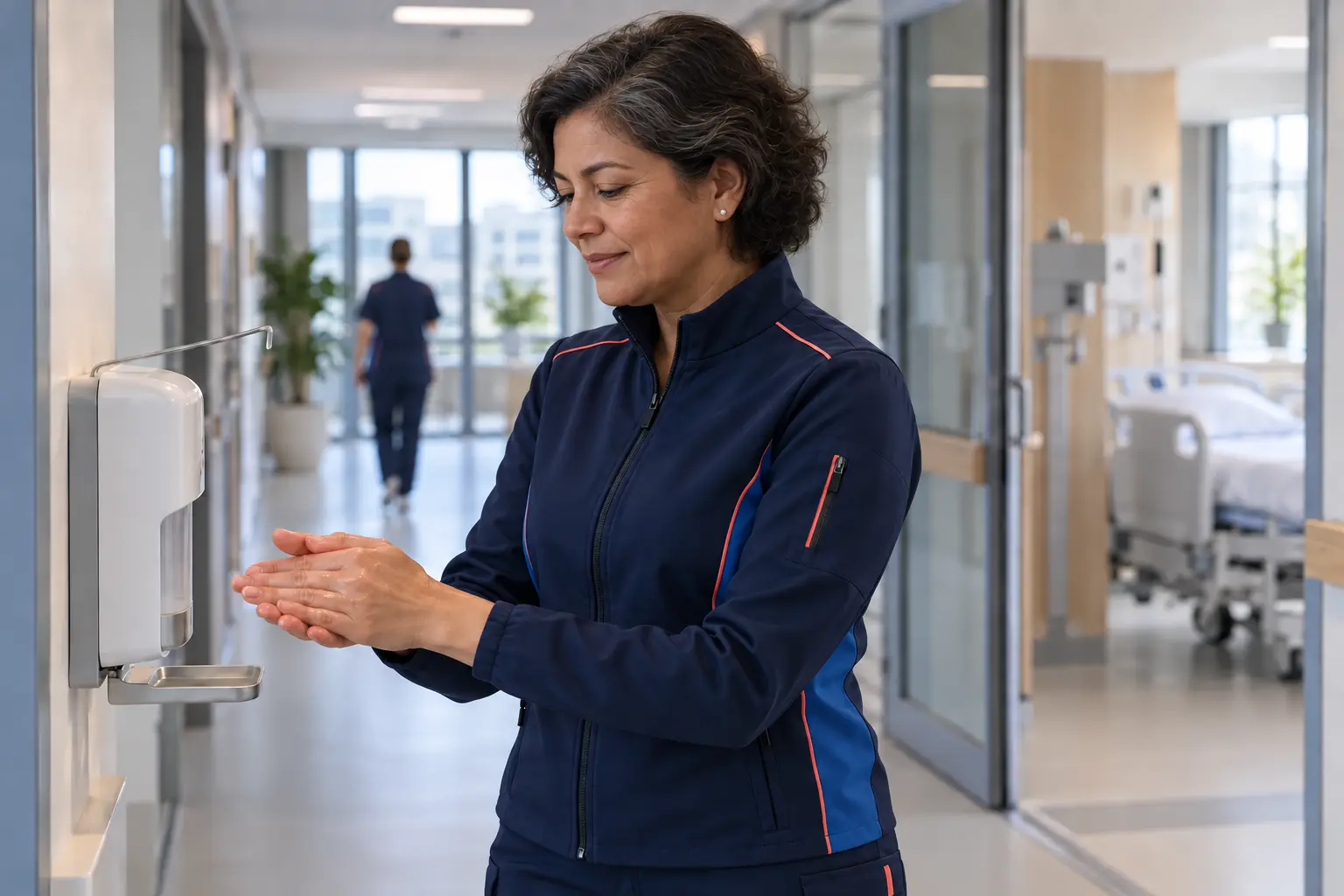
By combining hygiene, digital traceability and professional audits
Understanding healthcare-associated infections: a major public health issue
Healthcare-associated infections are infections acquiredin a healthcare facility (care home, hospital or clinic) after a patient is admitted, and were notpresent or incubatingon arrival. They may arise from a medical procedure, a contaminated environment or direct human contact.
According to the WHO, in acute-care hospitals,7 patients in every 100 in high-income countries and 15 in every 100 in low- and middle-income countries acquire at least one healthcare-associated infection. These infections can lengthen hospital stays, increase care costs and medical complications and, in some cases, contribute to mortality.
These infections are preventablein many cases, provided there is arigorous, monitored and traceable hygiene programme.
Hygiene and cleanliness: the foundations of prevention
In a healthcare facility, hygiene goes beyond cleaning. It is anorganisational discipline, requiring:
- Clear, up-to-date protocols
- Consistent execution of services
- Careful follow-up over time and across areas
- The ability to show evidence of completed work
Thecritical areasinclude patient rooms, operating theatres, bathrooms, door handles, switches, touchpoints, medical equipment and linen.
A missed or poorly completed disinfection can start a silent but dangerous chain of contamination.
Why digital tools have become essential
Limitations of traditional methods:
- Paper checklists left blank or falsified
- Scattered or illegible records
- Limited real-time visibility
- No usable evidence during an inspection
My Synapse digital tools can help to:
- Structure and standardise cleaning practices
- Automate records (date, time, staff member, task, photo and signature)
- Bring hygiene data together in one platform
- Track non-conformities and corrective actions in real time
- Provide clear compliance reports for inspections
With My Synapse, each task isscheduled, completed, checked and documented.
Traceability as a driver of safety and trust
In social and healthcare services,evidence of qualityas important as quality itself.
A professional follow-up tool such asMy Synapsebecomes agenuine management tool:
| Function | Benefit |
| Real-time service follow-up | Fewer omissions and errors |
| Planning cleaning routines | Consistent practices |
| Immediate incident reporting | Faster response to risks |
| Internal audits & quality checks | Preparation for cantonal inspections |
| Export PDF reports | Tangible evidence of compliance |
My Synapse support: more than software
Tailored services for a complete approach:
My Synapse offers acomplete package combining technology with on-site expertise:
Hygiene audit and protocols
- Review existing procedures (cleaning, disinfection, linen and PPE management, etc.)
- Map risk areas (rooms, shared spaces and shared equipment)
- Assess alignment with cantonal and federal requirements (FOPH, ISO, etc.)
Recommendations and action plan
- Detailed audit report with priorities, gaps and corrective measures
- Update internal protocols
- Train staff and managers
Set up My Synapse
- Tailored configuration (sites, cleaning plans, checklists)
- User training for staff, team leaders and management
- Follow-up during rollout over 30 to 90 days
Quality follow-up and management
- Weekly or monthly reports
- Performance indicators (hygiene KPIs, compliance rate and incidents)
- Ongoing technical support and guidance
Our professional packages
| Plan | Included features |
|---|---|
| Essential | Essential tools for your teams.
|
| Advanced | Everything in Essential, plus:
|
| Premium | Everything in Essential and Advanced, plus:
|
An advantage in tenders and inspections
Service providers (cleaning companies) and facilities using My Synapsegain a competitive advantage, particularly in:
- Thetender responses(with evidence for traceability and quality)
- Thecantonal or federal inspections(digital proof of work)
- Therelationships with familiesand staff (transparency and trust)
Hygiene becomes avisible driver of qualityrather than an invisible burden.
Conclusion: take an active role in quality
Preventing healthcare-associated infections means more than reacting to risk.
It meanstaking a proactive approach, combining:
- Consistent professional practices
- Reliable digital follow-up
- External expertise to audit, improve and recognise good practice